 English
 Swedish
 Danish
 Norwegian
 Finnish












Kids Safety & Tips, Reflector Safety, Tips & Guides
School Traffic Safety: How to Keep Children Visible on the Way to School
As a parent, there is a particular kind of worry that comes with the start of a new school term. Not only regarding the material aspect; new shoes, fresh clothes for the season, a packed lunch, sharpened pencils and whatnot in the bag. But also when it comes to school traffic safety. Because somewhere in the back of a parent’s mind, as the mornings get darker and the afternoons shorter, there’s this question we start asking ourselves: are our children actually visible out there?
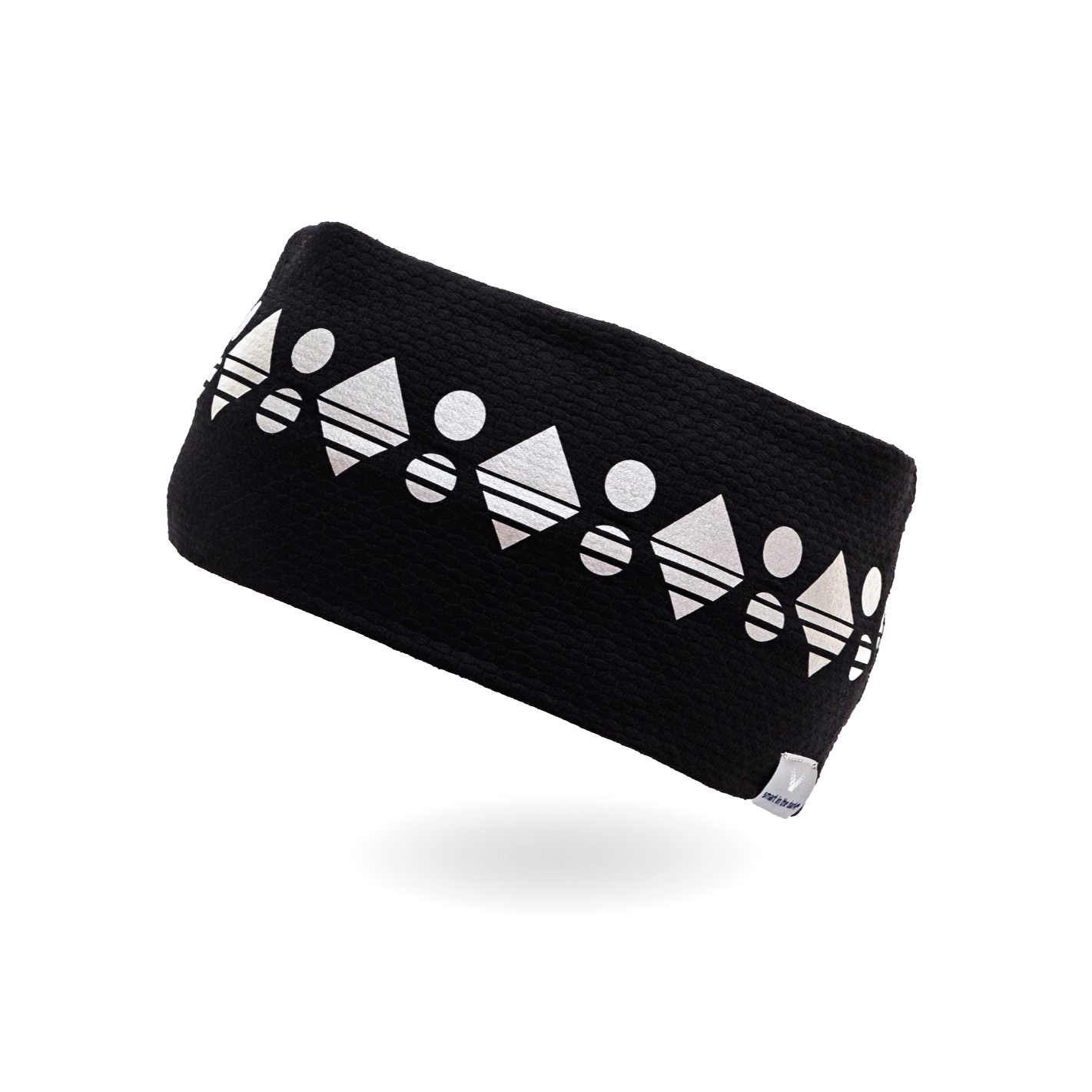
The honest answer, for most children, is probably less visible than you’d hope. Children are smaller, less predictable, and walk to or from school at times of day when traffic is heaviest and daylight is shortest. A reflective beanie for kids doesn’t solve all of that, but it solves one critical part of it: being seen, from every direction, from further away than almost anything else they can wear.
Here’s what the research says, what the data shows across six countries – and why a hat, of all things, turns out to be one of the smartest safety choices you can make.
|
125m |
How far away a driver can spot a child wearing a reflective hi-vis hat – compared to just 20–30 metres (65–100 feet) for a child in dark clothing. At a typical road speed, those extra metres mean everything. [1] |
|
360° |
The visibility a reflective hat provides – front, back and sides simultaneously. A reflective strip on a bag or jacket only works from one direction. A hat works from all of them. |
|
43% |
The spike in child pedestrian incidents in October in the UK compared to the average month – linked directly to darker mornings as the school term continues. [2] |

Child Pedestrian Safety: Why Children Need Extra Visibility in Traffic
Children are not just small adults when it comes to road safety. They experience traffic differently, process it differently, and are seen by drivers differently.
They are shorter, which means they move below the sightlines that drivers are naturally scanning. They are less predictable – a child may stop suddenly, change direction, or step off a pavement without warning. And they walk at the times of day that are statistically the most dangerous: early morning school runs, and the afternoon window between school dismissal and dinner, which in autumn and winter increasingly happens in the dark.
“Children are 22% more likely to be involved in a road traffic accident than the rest of the population – and primary school age is when that risk is highest.“
Children are doing what children do. But the risk is structural: it comes from the combination of smaller bodies, unpredictable movement, and darkness. Reflective gear addresses one part of that equation directly – and the part that is most within a parent’s control.
Children Walking to School in the Dark: Why Autumn Changes Everything
With the wintertime shift in October, the school run that happened in grey-but-manageable morning light starts happening in genuine darkness. The walk home after school, which was fine in September, now ends in the dark. The routes haven’t changed. The habits haven’t changed. The light has.
UK data from Churchill Insurance shows that October sees a 43% spike in child pedestrian incidents compared to the average month – a rise directly linked to the combination of more children on the roads and darker mornings. [2] And that’s before the clocks go back at the end of October, which removes another hour of usable daylight overnight.
The window between September and December is when reflective gear moves from a sensible precaution to a genuine necessity. And a beanie – something most children are wearing anyway as the weather cools – is one of the simplest ways to make the change.
Visibility for Children: What a Reflective Beanie Does and Why 360° Matters
Most reflective gear works from one direction. A reflective strip on a school bag catches the headlights of a car behind the child. A reflective patch on a jacket catches light from the front. Both are useful – but neither protects from the side, from a car pulling out of a junction, or from a driver approaching from an angle.
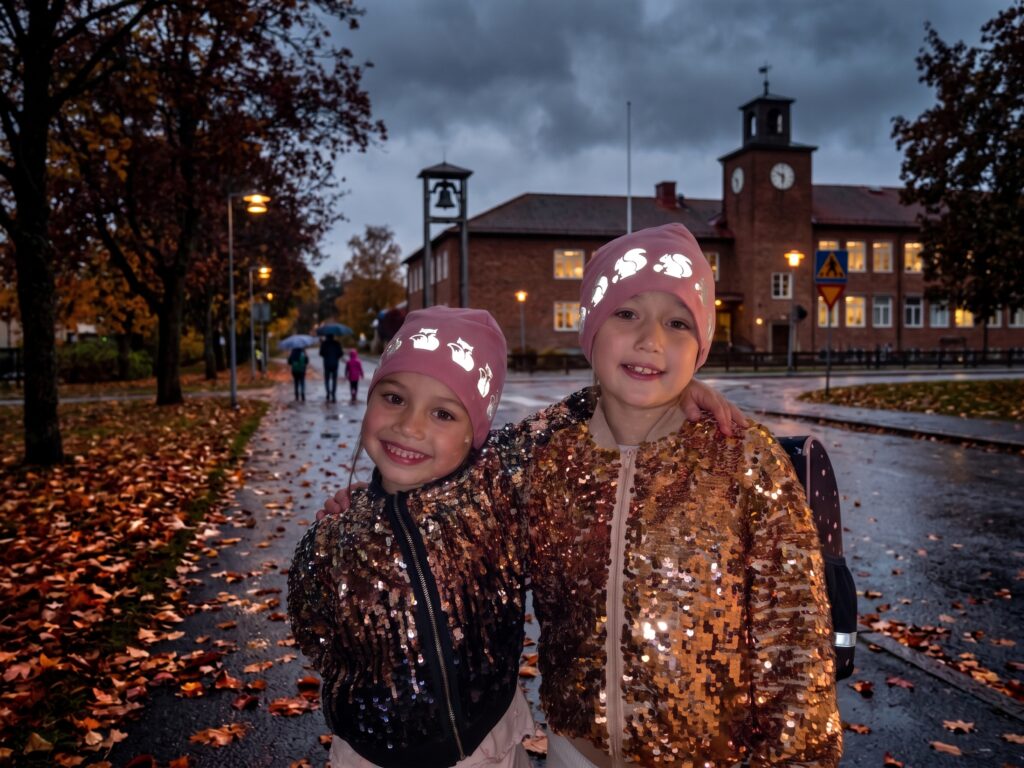
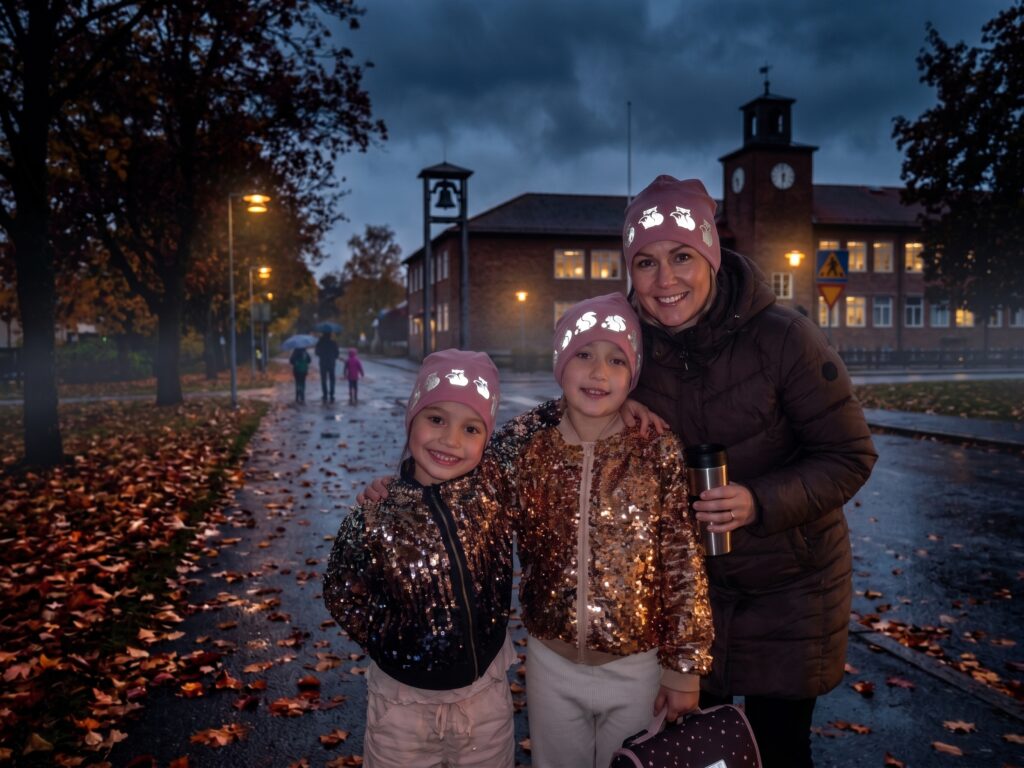
A reflective hat works from all directions simultaneously. The retroreflective material runs around the entire hat, which means that wherever a car’s headlights are coming from – straight ahead, from behind, from the left or right – the child is visible. [1] That 360-degree coverage is genuinely difficult to achieve with any other single piece of kit. Combine it with reflective accessories for wrists and ankles and a swinging bag charm, and a driver sees multiple points of light in motion – making it even easier to identify a child walking in the dark.
The moving reflector advantage
Research on pedestrian visibility has consistently found that reflective material on moving parts of the body is more effective than on static surfaces. A child’s whole body is in motion when they walk – arms swinging, legs moving, head turning – and reflective material on any of those moving parts creates exactly the kind of signal a driver’s peripheral vision is wired to catch.
Kids Safety in the Dark: Why a Beanie Outperforms Other Reflectors
The most effective safety gear is the kind that actually gets worn. And this is where the humble beanie has a significant advantage over almost every other form of reflective accessory.
From September onwards, children wear hats. Not because parents tell them to, not because it’s a safety requirement, but because it’s cold. Reflective headwear slots into this existing habit with no additional step, no reminder needed, no argument at the door (other than the usual ones with the teens about head and hand wear). It is simply the hat they were going to put on anyway – that also happens to make them visible from 125 metres (410 feet) in every direction.
A few other things worth knowing:
- 3M Scotchlite retroreflective material. The same material used on high-visibility workwear for road workers and emergency services. At a distance, in headlights, it does not merely reflect – it actively sends light back to the driver’s eyes.
- Two versions for the whole season. A soft cotton beanie for the milder autumn and spring mornings, and a fleece-lined version for the colder months. The same visibility, across the whole dark season.
- Children will actually wear it. A reflective vest left at the bottom of a school bag is not a safety solution. A hat with characters children recognise and want to wear, is.
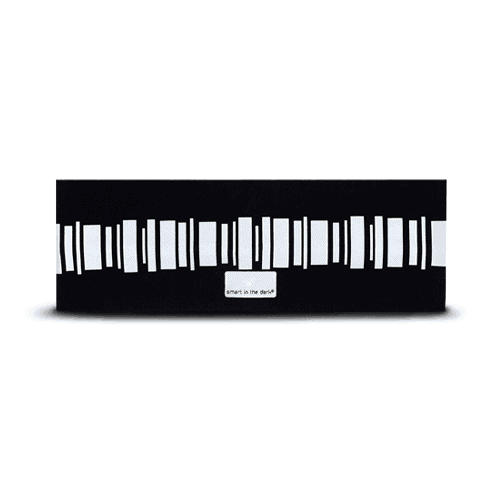
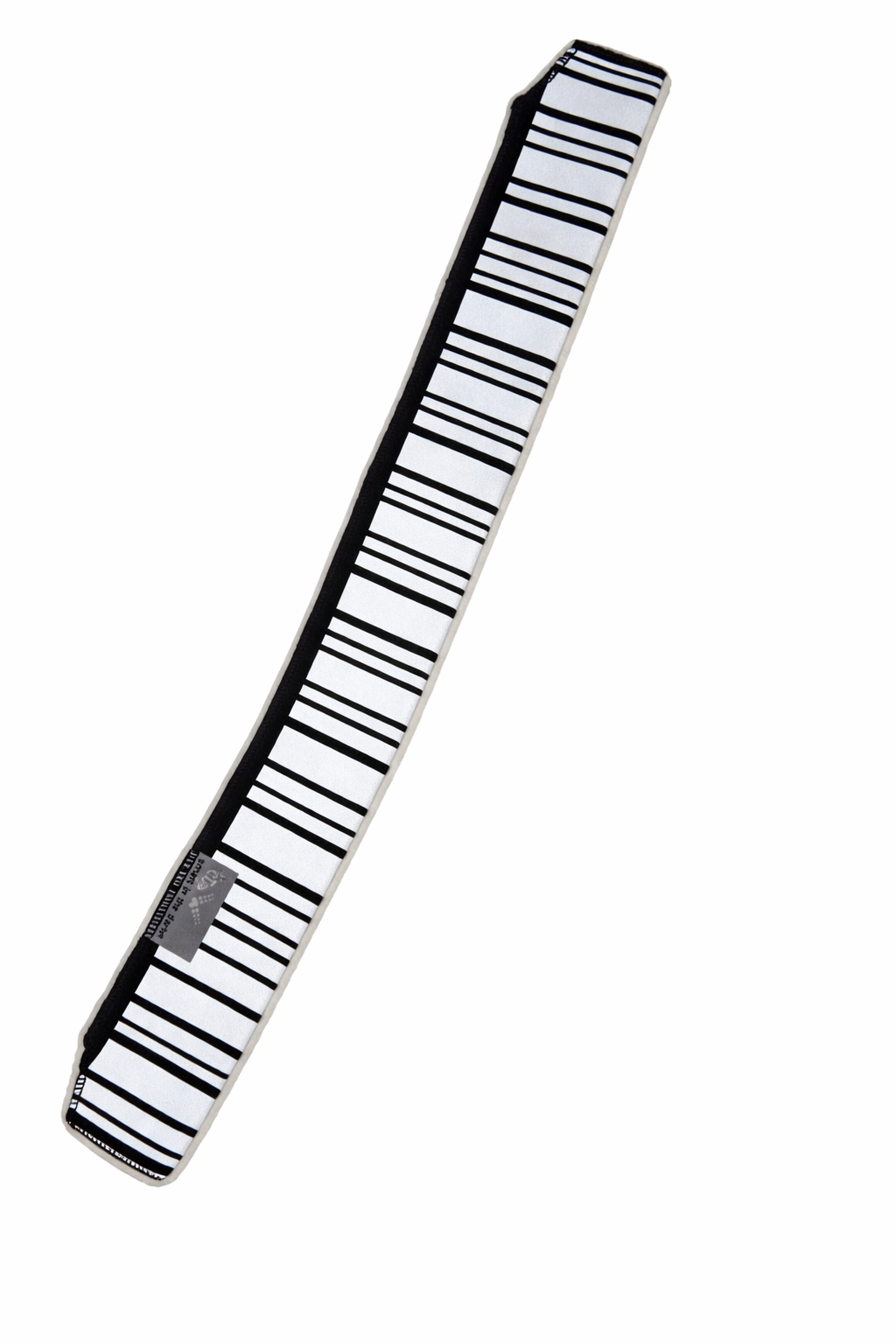
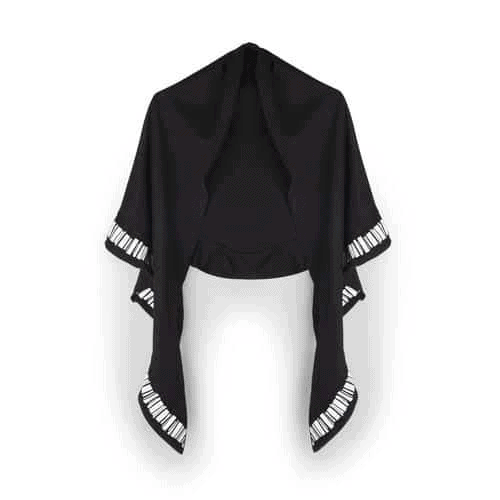
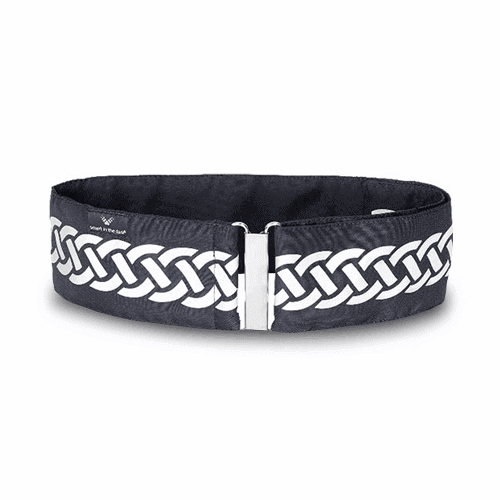
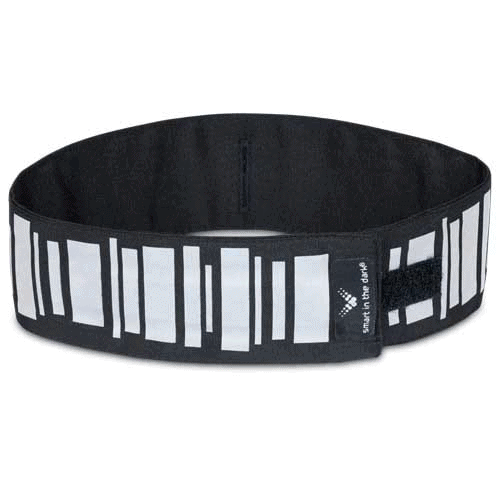
For even greater visibility, a reflective hat pairs naturally with reflective accessories for wrists and ankles. Reflective material on moving arms and legs amplifies the signal further – which is why combining headwear with a wrist band or ankle strap gives children the broadest possible coverage on the school run.
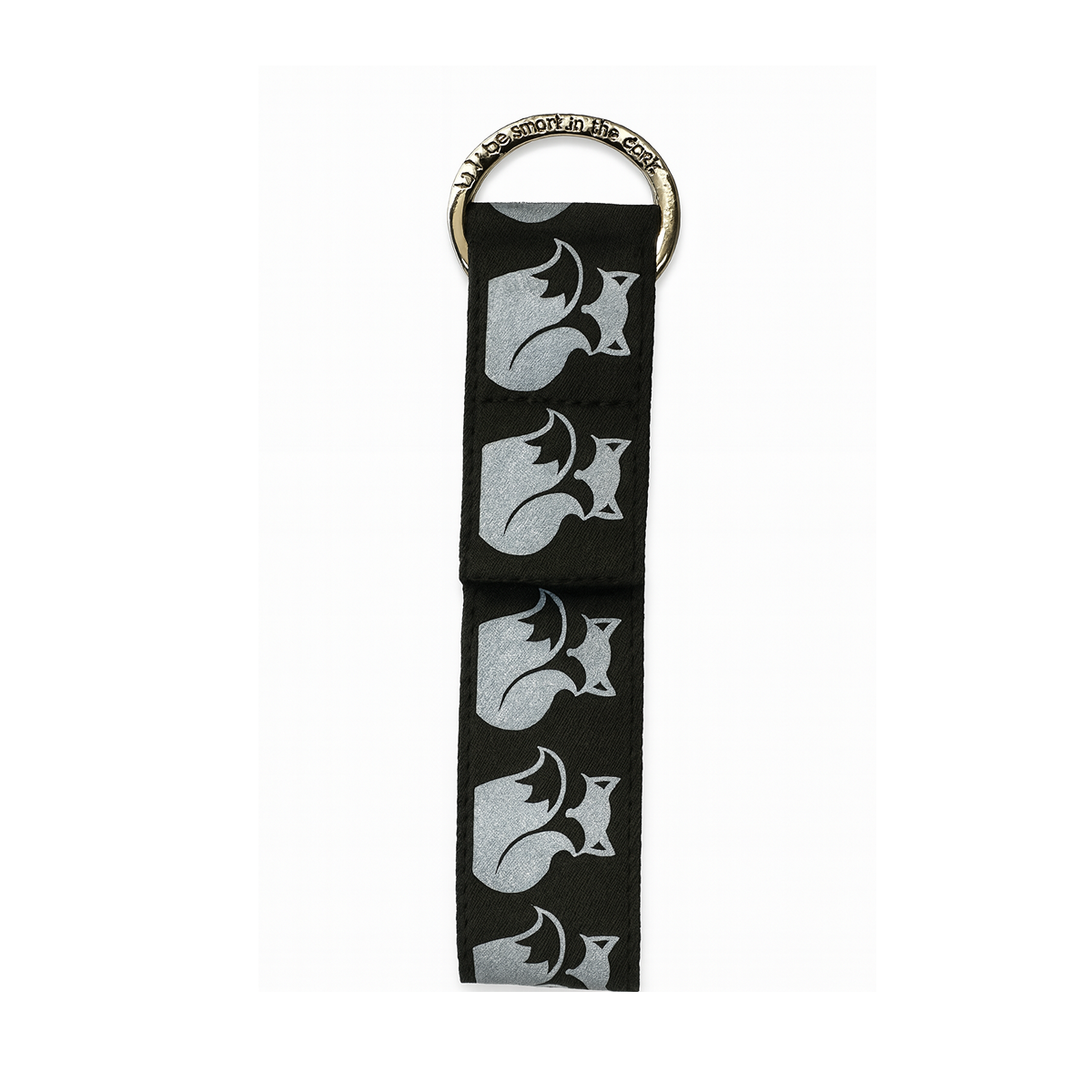
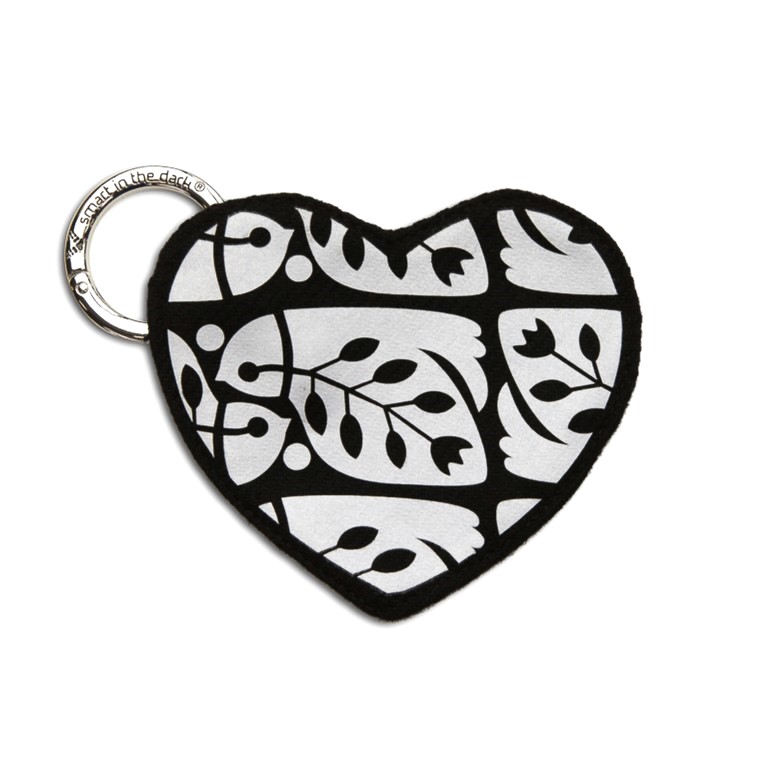
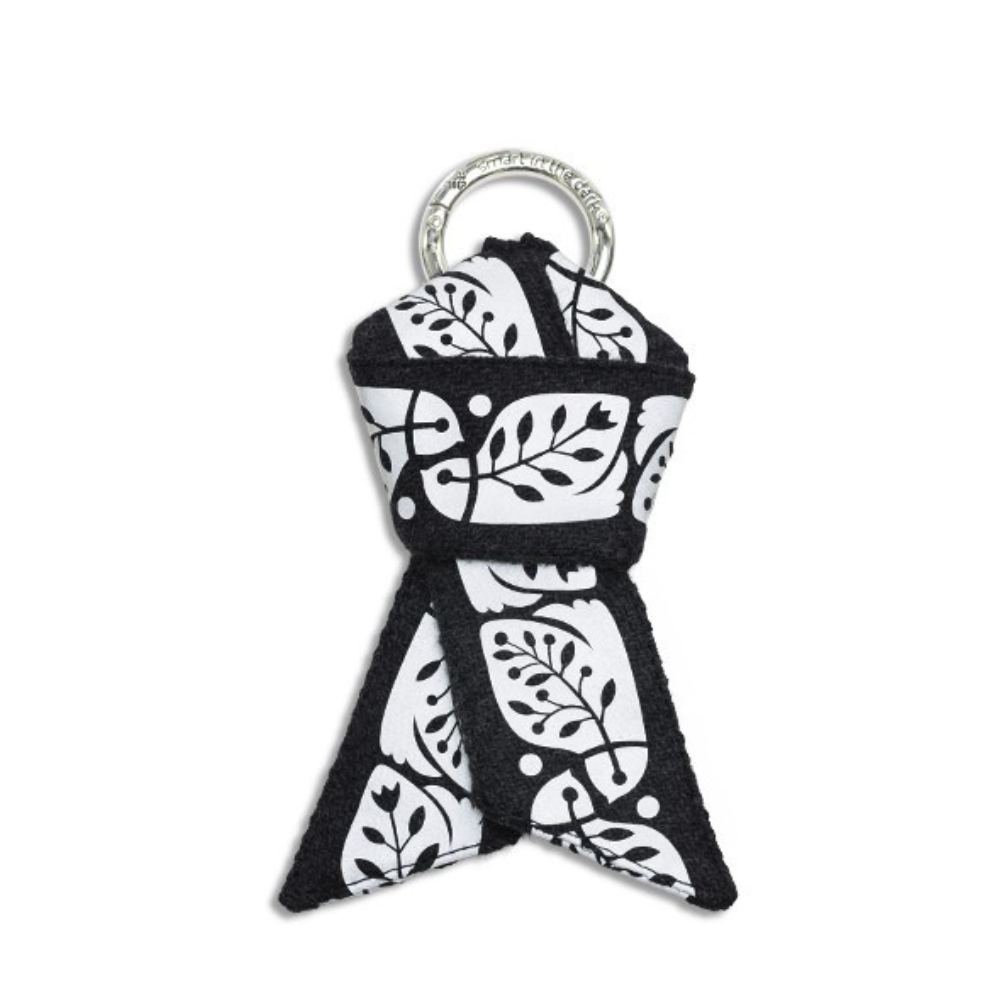
You can also add a hi-vis bag charm that swings with every step. It is among the most effective types of reflector – worn at bag height, in line with a driver’s headlights, with the movement catching attention from a distance. ELNA attaches easily to a school bag and works in combination with a reflective hat to create visibility at two different levels simultaneously.
School Zone Safety by Country: What the Data Shows
The challenge of keeping children visible on the school run is not unique to any one country. But the statistics, the seasons, and the local context vary.
🇬🇧 United Kingdom: The October Risk Spike
| 43%
more child incidents in October |
7/day
childpedestrian incidents |
October sees a 43% spike in child pedestrian incidents compared to the average month, linked to darker mornings (Churchill/DfT). Over the three years 2017–2020, an average of seven children were hit by vehicles every single day in England. |
In the UK, the back-to-school season arrives in September when the light is still manageable. By October, it isn’t. The combination of school dismissal (3:30–4:30pm) and falling daylight creates a high-risk window that DfT data consistently identifies as the most dangerous period of the week for child pedestrians. [2]
The clock change at the end of October removes another hour of usable light overnight. The school run that happened in twilight one week happens in complete darkness the next. A reflective kid’s hat worn from the beginning of the term is already in place when that shift occurs.
🇮🇪 Ireland: A Legal Requirement and a Back-to-School Report
|
49% of childcasualties were pedestrians |
1 in 7
childaccidents on school journey |
In 2020–2024, 39 children were killed and 584 seriously injured on Irish roads. 49% of casualties were pedestrians. One in seven child casualties occurred while travelling to or from school (RSA, August 2025). |
Ireland is one of the few countries where reflective clothing is a legal requirement for children under 12 walking on public roads after dark – a law that reflects a clear understanding that child visibility is a genuine public safety issue, not a lifestyle choice.
The RSA published its Child Casualties Report 2020–2024 in August 2025, timed to coincide with the back-to-school period. [4] Its finding that one in seven child casualties occurs on the school journey makes the start of term the single most important moment of the year to check that children are properly equipped. Reflective safety gear is one of the simplest ways to respond to that data.
🇺🇸 United States: The After-School Danger Zone
| 77%
of pedestrian fatalities in darkness |
3–7pm AAA ‘dangerzone’ after school |
77% of all pedestrian fatalities in the US occur when it is dark (NHTSA, 2023). Nearly one in three child pedestrian deaths occur between 3pm and 7pm – the after-school window AAA calls ‘the danger zone’. |
AAA (American Automobile Association) has run its ‘School’s Open – Drive Carefully’ campaign since 1946. The reason it’s still running is that the data hasn’t changed: the period immediately after school dismissal remains the single most dangerous hour of the day for child pedestrians. [5]
NHTSA data shows that 63% of child pedestrian fatalities occur on weekdays, and that as the school year progresses into autumn and winter, pedestrian fatality rates trend upward. The reason is straightforward: more walking happens in the dark. Reflective hi-vis gear worn every day from September onwards addresses that risk directly and consistently.
🇨🇦 Canada: Dark Mornings and the School Run
| 79%
of pedestrian incidents at intersections |
Oct–Jan
peak risk for pedestrian incidents |
In British Columbia, 79% of pedestrian incidents occur at intersections (ICBC) – exactly where children cross on the way to or from school. Pedestrian injury rates nearly double between October and January compared to summer months (ICBC). School journeys start and end in complete darkness. |
Canada’s school year begins in September, but the real visibility challenge arrives in October. By November, school runs in most of the country happen in genuine darkness both ways – the morning walk and the afternoon return. That is four months in which a child’s visibility on the school journey depends almost entirely on what they are wearing.
Intersections are where the risk is highest, and where 360-degree visibility matters most. A car turning from a side street, a vehicle pulling out of a driveway – these are situations where a reflective strip on the back of a bag offers no protection. A hat visible from all directions does. Combined with other reflective accessories, the visibility is increased even further.
🇦🇺 Australia: Winter Term and School Zone Risk
| 36%
of drivers speed through school zones |
45% speed where limit is 60km/h |
A 2026 Australian study found 36% of drivers exceed the 40km/h school zone limit during active school hours. Speeding was significantly more prevalent on roads with a default 60 km/h limit – the type of road many children cross daily on the school run (ScienceDirect, ACT 2026). |
Australia’s Term 3 runs through the southern hemisphere winter – July to September – when mornings are at their darkest and afternoons close in early. For children walking to school during this term, visibility conditions are comparable to those faced by children in the UK and Ireland in November.
New South Wales research has found that even with 40km/h school zone limits, child pedestrian collision rates remain concerning. Against that backdrop, a child being visible from 125 metres (410 feet) rather than 20–30 metres (65–100 feet) represents a meaningful margin of safety that does not depend on driver compliance.
🇳🇿 New Zealand: The Most Vulnerable Age Group – and New Protections
|
5-9 yrs highest-risk age group for pedestrian injury |
30km/h variable schoolzone speed from July 2026 |
Children aged 5–9 are hospitalised for pedestrian injuries at higher rates than any other age group in New Zealand (SafeKids Aotearoa). New Zealand introduced variable 30km/h speed limits outside school gates from 1 July 2026, covering schools across New Zealand (Waka Kotahi NZTA) |
Of all age groups in New Zealand, children aged 5-9 face the highest rate of pedestrian hospitalisation – a statistic that Waka Kotahi has acknowledged with the introduction of variable speed limits outside school gates from July 2026. [6] When children are present, signs show 30 km/h; when they are not, the limit returns to normal.
It is an important measure. But signs respond to what is happening at the school gate; they cannot account for the child who has already turned the corner onto an unlit residential street. New Zealand’s Term 3, like Australia’s, runs through the southern winter – the darkest mornings of the school year. A reflective hat and other reflective accessories worn from the first day of term ensure visibility extends beyond the school zone.
The Hat They’d Wear Anyway
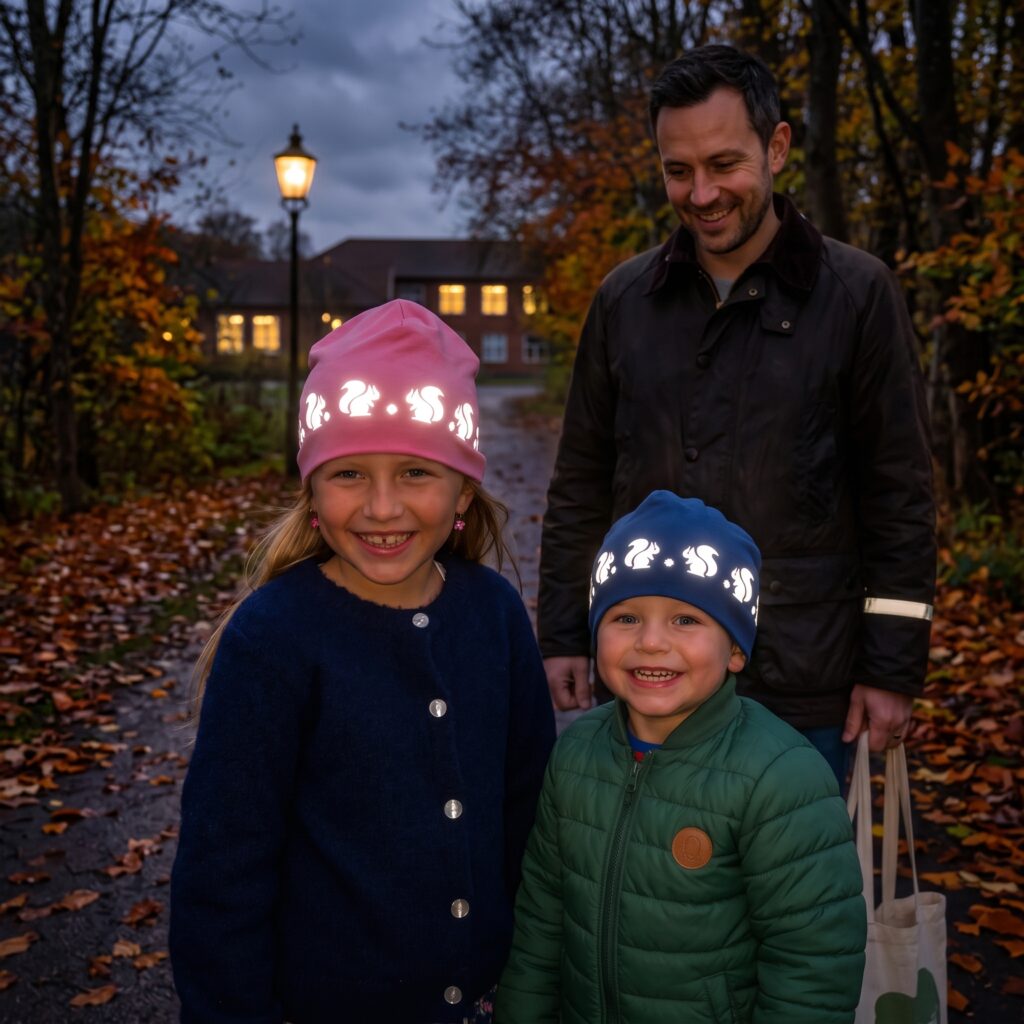
You cannot control the traffic. You cannot make the mornings lighter or the school run shorter. But you can send your child out wearing something that means a driver sees them from 125 metres (410 feet) away – in every direction – rather than from 20 metres (65 feet) when it might already be too late.
Reflective headwear does not ask children to do something different. It is the hat they were going to put on anyway. The safety is simply built in
References
[1] Smart in the Dark: reflector visibility distances – 125m with / 20–30m without
[2] School Children Road Risk – Churchill Insurance analysis of DfT STATS19 data (2017–2020)
[3] Using retro-reflective cloth to enhance drivers’ judgment at night-time – PubMed (2021)
[4] RSA Child Casualties Report 2020–2024 – Road Safety Authority Ireland (August 2025)
[5] Do traffic accidents increase during back-to-school season? – NHTSA data via Inside Nova (2026)
[6] New Road Safety Rules NZ: Variable 30km/h school zone limits from July 2026
[7] SafeKids Aotearoa: Child Pedestrians (5–9 years) – hospitalisation rates by age group
[8] School Zone Speed Compliance in the ACT, Australia – ScienceDirect (2026)