 English
 Swedish
 Danish
 Norwegian
 Finnish














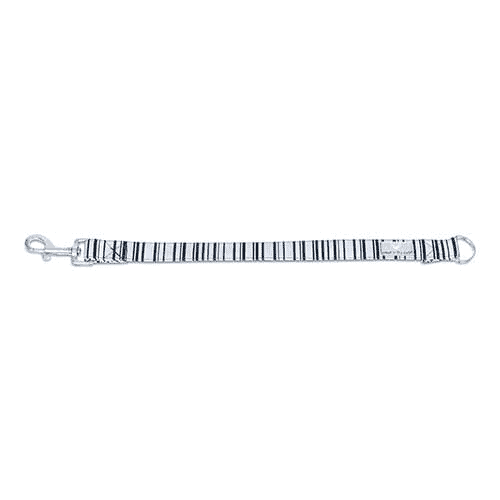
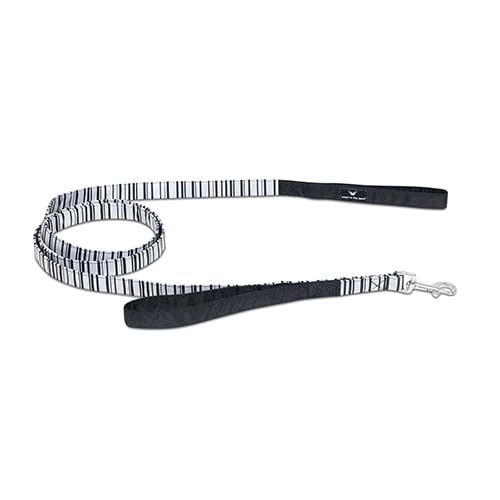
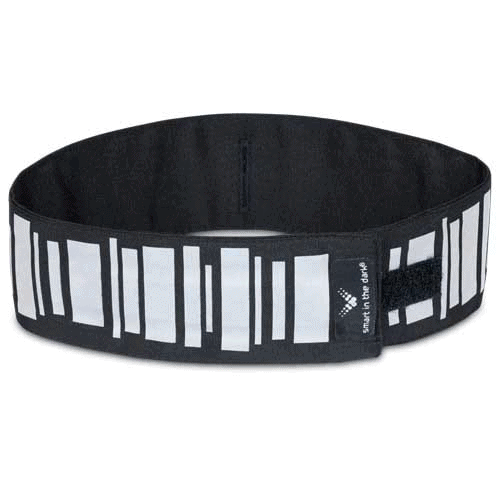
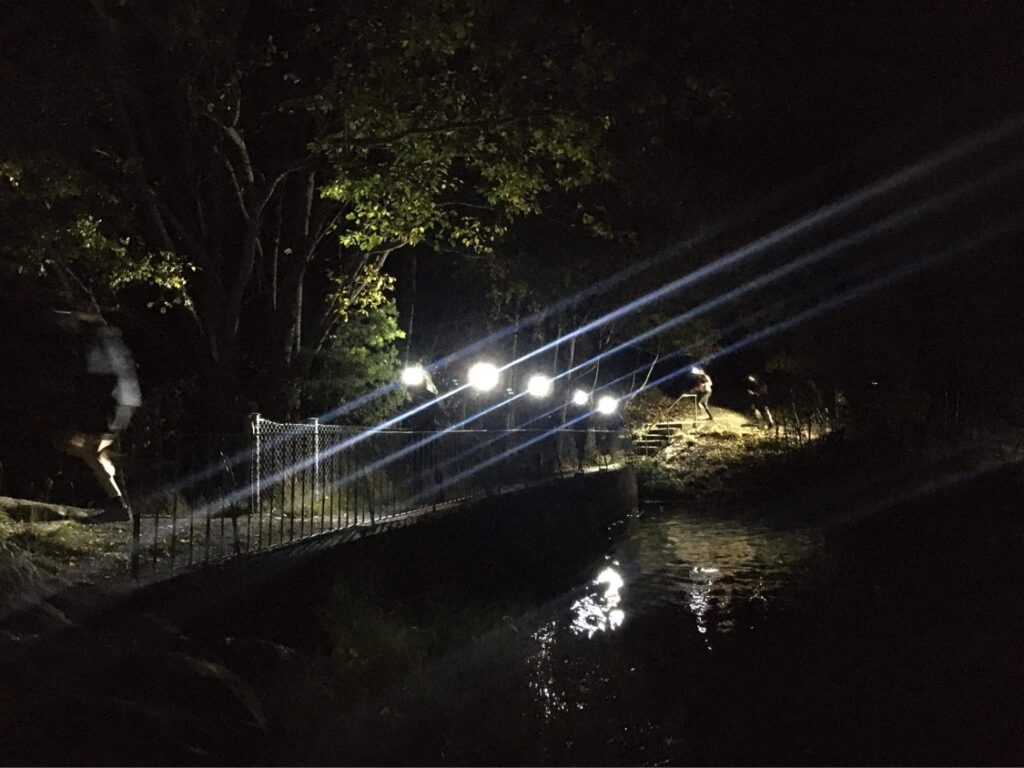
Running Safety & Tips, Reflector Safety, Tips & Guides
Visibility in the darkness: Morning and Night Running Safety
The alarm goes off at 5:30. Outside, it’s completely dark. You lace up anyway. Or maybe it’s 6:30 in the evening. The working day is done, the run is the reward, and the sun checked out an hour ago. Either way, you’re a runner in the dark – and for a significant part of the year, that’s not an exception. It’s just training.
Night running safety – whether that means dark mornings before sunrise or sombre evenings after work – comes down to one thing above all else: being seen. And most runners, even experienced ones, are far less visible than they think. With the right approach to high visibility clothing for running that changes completely, without changing anything about how you run.
|
74% |
Of all pedestrian and runner traffic deaths in the US occur in dark conditions. The pattern is consistent across the UK, Ireland, Canada, Australia and New Zealand. [1] |
| 125m (410 ft) |
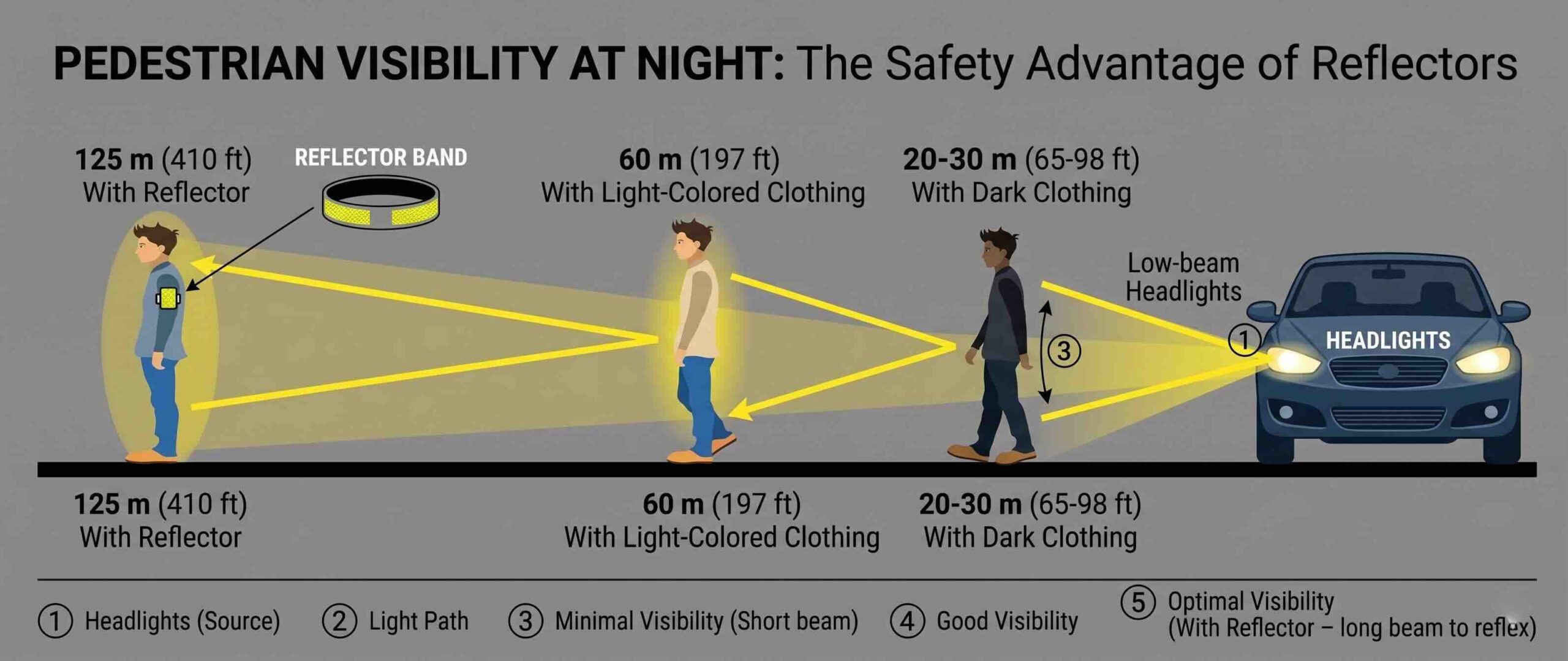
How far away a driver can spot someone wearing a reflector – compared to just 25 metres (80 feet) in dark clothing. At 50 km/h (31 mph), those extra metres are the difference between a near-miss and a safe run home. [2] |
|
94% |
The recognition rate for runners with reflectors on moving joints – wrists, knees, ankles. Without reflectors on the limbs, the rate drops to just 67%. [3] |
Dark Mornings, Sombre Evenings – and Why Both Carry the Same Risk
Running in darkness is not a niche scenario. It is, for most regular runners, a fundamental part of how training works for five or six months of the year.
The morning run is perhaps the most common version: out before the household wakes, before the commute begins, in the quiet, cold darkness. It is often the most peaceful run of the week. It is also the one where traffic is unpredictable, street lighting is patchy, and drivers are least alert.
The evening run has its own version of the same problem. After work, after dinner, when the 10 km that seemed straightforward at noon now happens in complete darkness. Road safety data consistently identifies the 6–9 pm window during autumn and winter as among the most dangerous for pedestrians and runners – not because of recklessness, but because the overlap of peak traffic, driver fatigue, and low visibility is at its worst. [1]
“Dark mornings and sombre evenings: both possible times to squeeze in a run in your schedule. To a driver, they look the same – until it’s too late.”
The challenge in both scenarios is the same: a driver’s eyes are working across multiple competing light sources; oncoming headlights, dashboard glow, streetlamps, the reflected shimmer of wet tarmac. Spotting a dark-clothed runner against a dark background is genuinely difficult, and it happens far later than most runners would expect.
What a Driver Can Actually See When You Run at Night
Here is a figure worth knowing before your next evening run. On low beam – the setting most drivers use in built-up areas – even the sharpest-eyed driver can see roughly 76 metres (250 feet) ahead. On high beam, around 152 metres (500 feet). [4]
Now compare that to what a runner in dark clothing actually offers in terms of visibility: typically just 25 metres (80 feet) or less before a driver registers your presence. At 50 km/h (31 mph), a driver needs around 35 metres (115 feet) to stop safely. The gap between those two numbers is where accidents happen.
Put on a quality reflector, and the picture changes entirely. Retroreflective material sends the driver’s own headlights back to their eyes, making you visible from 125 metres (410 feet) away – four to five times the stopping distance, with plenty of time to slow down, move over, and see you clearly. [2]
Why running makes reflectors work better – not worse
There’s a running-specific twist to all of this that’s genuinely encouraging. Research by Tyrrell and colleagues found that drivers correctly identified cyclists wearing a reflective vest 67% of the time. When reflectors were added to the moving joints – ankles and knees – that recognition rate jumped to 94%. [3]
The reason is biomotion: our brains are extraordinarily tuned to detect human movement. The rhythmic swing of a reflective wrist band, the bob of a reflective hat, the flash of an ankle strap – these create a movement pattern that a driver’s visual system recognises as a person almost instantly, even at the edge of their peripheral vision.
Research from the University of Skövde in Sweden confirms the same principle: reflective details placed on moving arms and legs make runners significantly easier to recognise in low-light conditions. [5] Which means the motion you already produce on every run is actually working in your favour – as long as there’s something reflective to catch the light.
“I Can See the Headlights – So They Must See Me”
This is one of the most common, and most understandable, assumptions in night running. You’re aware of every car approaching. Their headlights seem bright, almost intrusive. It genuinely feels like being visible.
But visibility is not symmetrical. Your eyes have adapted to the darkness. A pair of headlights, however dazzling they feel to you, confirms that you can see them – not that they can see you. Research consistently shows that runners and pedestrians dramatically overestimate how early a driver will notice them in the dark. [6]
This isn’t a criticism of runners. It’s a well-documented feature of human perception in low-light conditions, and it affects everyone equally. Knowing about it is the first step to doing something about it – and doing something about it is simpler than most people expect.
Running Safely at Night: Building Your Visibility Kit
Visibility doesn’t require a complete kit overhaul. The most effective approach is also the simplest: add reflective details to the parts of your body that already move when you run.
A few things worth bearing in mind when choosing your gear:
- Prioritise moving parts. Wrists, ankles, knees and head are the most effective locations for reflective details – both because they move and because they’re more exposed to approaching headlights than your torso.
- Look for certified retroreflective material. Not all ‘reflective’ running gear is equally effective. 3M Scotchlite and equivalent tested materials bounce light directly back to the source – the driver’s eyes – rather than scattering it generally.
- Front and back visibility matters. A reflector only visible from behind doesn’t help at a junction, on a crossing, or when a car comes from a side street.
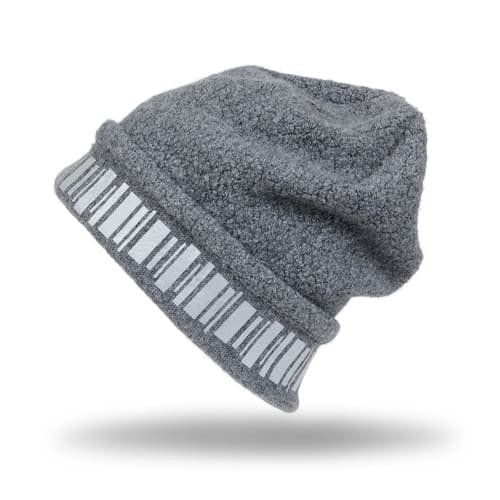
- The best visibility gear is the kind you’ll actually wear. A reflective beanie you already wear on cold runs works every single time you put it on. A vest you’ll take off when you feel self-conscious does not.
- Bright colours help by day; reflectors work by night. Fluorescent yellow is useful in low light and dawn conditions, but in darkness, only retroreflective material will make you visible to a driver’s headlights.
<–! For a full guide to what to look for and what works best, see our overview of best night running gear [INTERN LÄNK → Best Night Running Gear: best night running gear] – covering beanies, headbands, arm bands and more. // Denna mening – addera den sen när kluster kommersiell Running är publicerad och länka dit -> Best Night Running Gear for Running in the Dark -->
Night Running Safety by Country: When and Where the Risk Is Highest
The fundamentals of night running safety are the same everywhere. But the seasons, the daylight hours, and the local context vary – and so does when the risk peaks.
🇬🇧 United Kingdom: October, the Clock Change, and the Evening Run
|
409 pedestrian deaths, 2024 |
8/week
killed on UK roads |
409 pedestrians were killed on UK roads in 2024 – roughly eight every week (DfT/Brake). A disproportionate number of those collisions occur in the hours when most people also run. |
For UK runners, the last Sunday of October is a turning point that arrives with uncomfortable predictability. The clocks go back, and the 6 pm run that happened in twilight the week before now happens in complete darkness. Traffic patterns don’t change. Running habits don’t change. But the light does – instantly.
UK road safety data shows a consistent spike in pedestrian and runner incidents in the weeks following the clock change. The 6–9 pm window, when commuter traffic is heaviest and many people fit in their evening run, is the most critical period. [1]
🇮🇪 Ireland: A Country That Takes Night Visibility Seriously
|
44 pedestrian deaths, 2023 |
~50%
of road deaths 8pm–8am |
In 2023, 44 pedestrians were killed on Irish roads – the highest number since 2011 (RSA). Almost half of all road fatalities occurred between 8pm and 8am, despite significantly lower traffic. |
Ireland is one of the few countries where pedestrian reflectors are a legal requirement for children under 12 on public roads after dark. It’s a law that reflects a truth something the data makes clear: visibility saves lives, especially in the darker months.
For runners in Ireland, the RSA’s own data shows that Q4 – October through December – is the highest-risk period for pedestrian incidents, with over half of autumn and winter injuries occurring in darkness. [7] The most effective thing a runner can do in those months is the simplest: be seen from further away.
🇺🇸 United States: A Night Running Safety Crisis in the Data
| 74%
of pedestrian deaths after dark |
7,080
pedestrians killed, 2024 |
74% of pedestrian traffic deaths in the US occur in dark conditions (NHTSA, 2024). Fatal pedestrian crashes at night rose 84% between 2010 and 2023 – vs 28% in daylight. |
The US has seen a dramatic rise in night-time pedestrian and runner fatalities over the past decade. Night-time crashes now account for nearly three-quarters of all pedestrian deaths, and the number has nearly doubled since 2010. [1]
For US runners, there is no national requirement to wear reflective gear, but the data from state agencies is consistent. Colorado’s Department of Transportation, for example, found that over 70% of pedestrian fatalities in the state occurred in dark conditions. The evening run after work, the early morning session before sunrise: these are exactly the windows when the risk is highest, in every state. [8]
🇨🇦 Canada: How to Stay Visible on Winter Running Routes
|
298 pedestrians killed, 2023 |
21%
of night deaths wore dark clothing |
An average of 322 pedestrians were killed each year in Canada between 2004 and 2023 (Transport Canada). Statistics Canada found that 21% of pedestrian fatalities at night involved the person wearing dark clothing. |
Canada’s winters are long, dark, and cold – and for runners, that combination is the defining challenge of the season. By November, meaningful daylight hours shrink dramatically, and a large proportion of regular training runs happen in complete darkness.
Statistics Canada’s analysis of pedestrian fatalities found that 21% of night-time deaths involved the person wearing dark clothing. [9] For runners – who are often wearing performance gear in black, navy, or grey – this is a particularly relevant figure. The Canadian Running Magazine makes the point clearly: you may not realise how hard it is for a driver to spot you in the dark, especially in dark technical clothing, until you have experienced it from the driver’s seat.
🇦🇺 Australia: Night Running Safety During Winter Training Months
|
174 pedestrian deaths, 2024 |
26%
rise infatalities, 2025 |
174 pedestrians were killed on Australian roads in 2024 – the highest in over a decade (BITRE). In the first five months of 2025, pedestrian fatalities rose 26% year-on-year (ARSF). |
Australia’s running season peaks in the cooler months of June to August – which is also when evenings draw in and early mornings are at their darkest. For the nearly 90% of Australians who walk or run regularly each week, the winter training period brings the same visibility challenges faced by runners in European and North American autumn. [10]
The Australian Road Safety Foundation has raised significant concern about rising fatalities in 2024 and again in 2025. Their advice to pedestrians and runners is clear: wear visible clothing, especially in poor light. [11]
🇳🇿 New Zealand: Running on Unlit Roads in the Dark
|
25 pedestrian deaths, 2023 |
68%
of NZ roaddeaths onrural roads |
In 2023, 25 pedestrians were killed on New Zealand roads (ehinz.ac.nz / Waka Kotahi NZTA). 68% of all road deaths in NZ occur on rural roads – many without lighting, footpaths or separation from traffic. |
New Zealand has a deep running culture – parkrun, trail running, and road racing all embedded in everyday life. But many running routes, particularly outside city centres, pass through areas with no street lighting, no footpaths, and no separation from passing vehicles.
Waka Kotahi notes that darkness-related injuries are disproportionately common among adults aged 18 and older – the core running demographic. [13] For runners heading out before dawn on quiet country roads, or finishing a trail run as the June and July evenings close in, the combination of rural darkness and dark technical running gear is the highest-risk scenario. On an unlit road at night, the gap between 25 metres (80 feet) and 125 metres (410 feet) of visibility is not marginal. It is the entire margin.
Real-World Advice from a Runner Who’s Thought About This
Statistics and research give you the numbers. But sometimes the most useful perspective is a runner who has genuinely lived this – who trains regularly in low-light conditions and has thought carefully about what actually works.
We spoke with Joel Språng, runner and visibility advocate, about his approach to running safely after dark. His insights on the common mistakes runners make, the gear that actually changes things, and how visibility fits naturally into an everyday training routine are well worth reading before your next evening run.
Read the full conversation: Joel Språng Interview: reflectors for running at night.

One Small Change. Every Single Run.
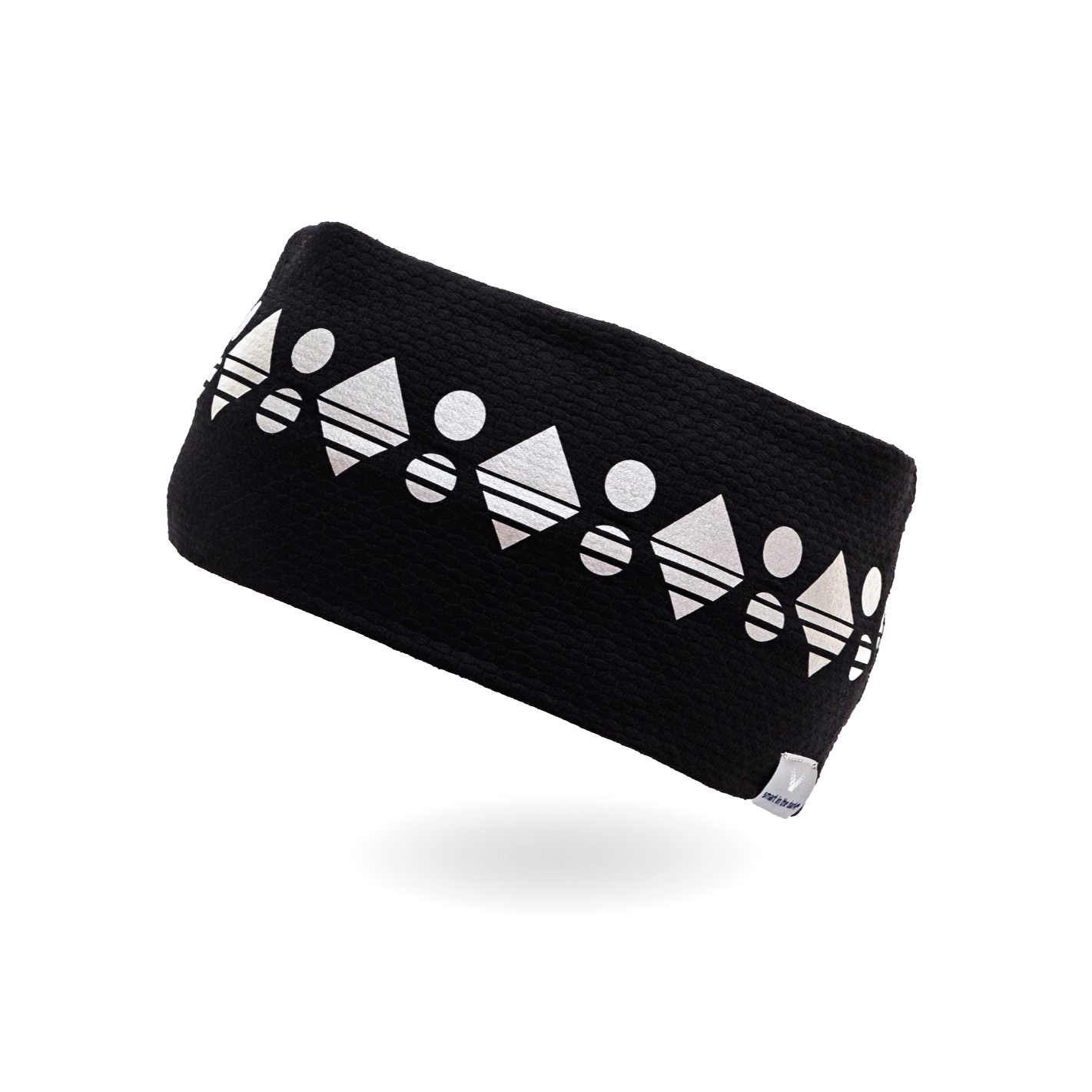
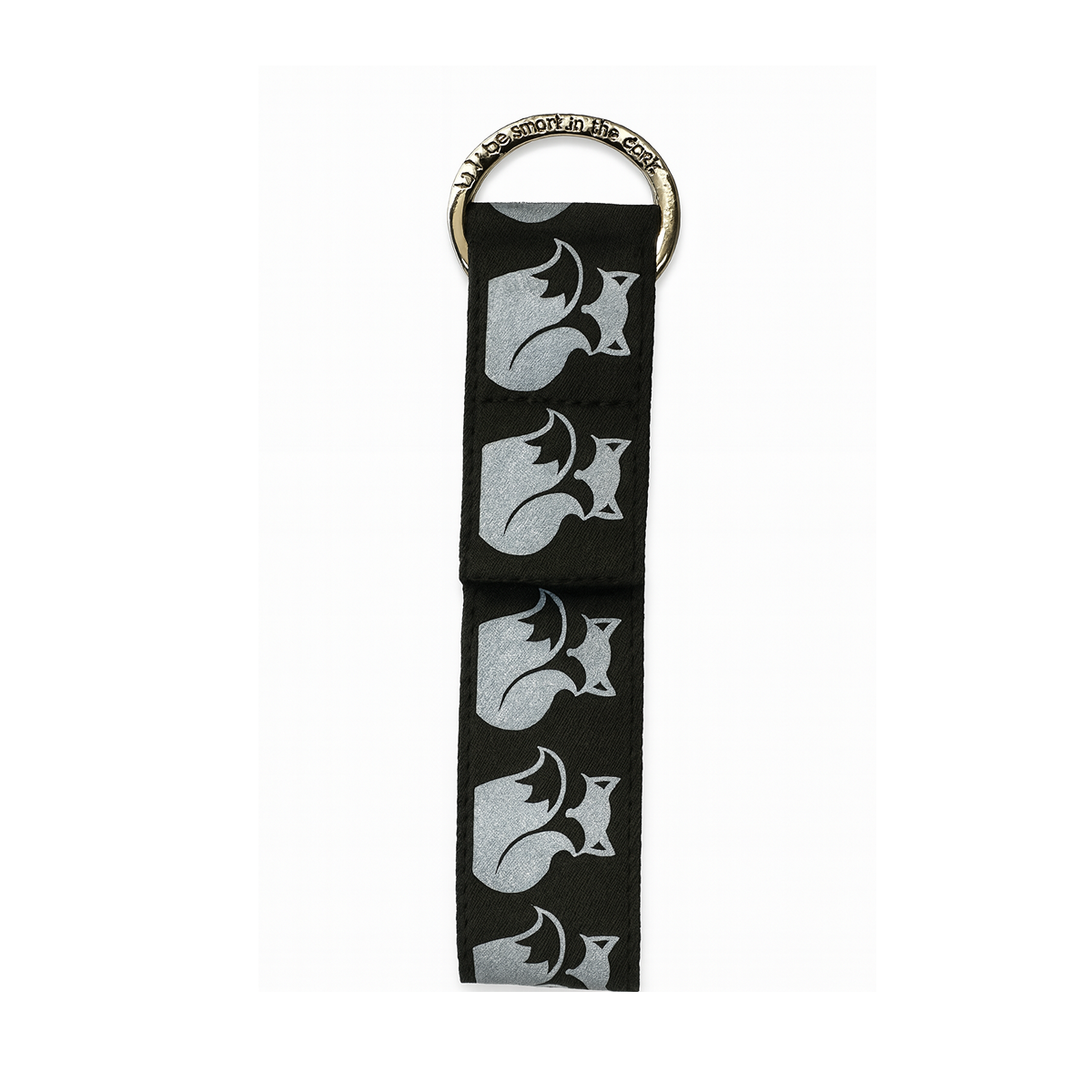
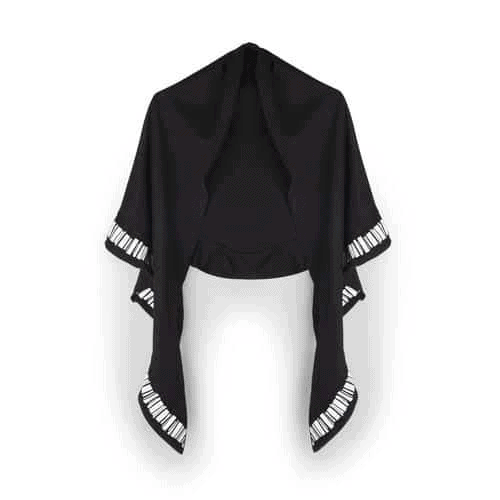
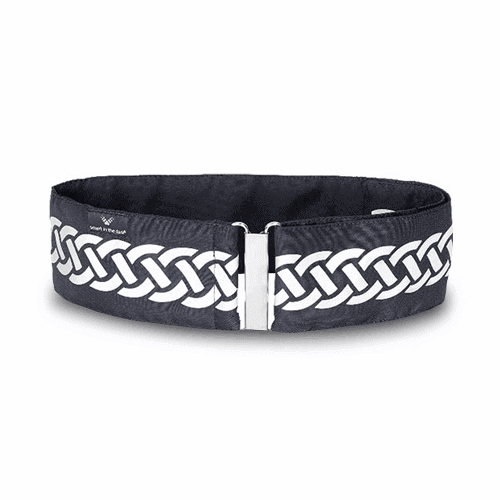
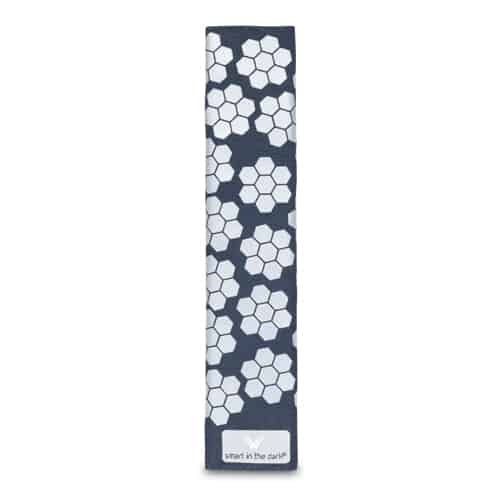
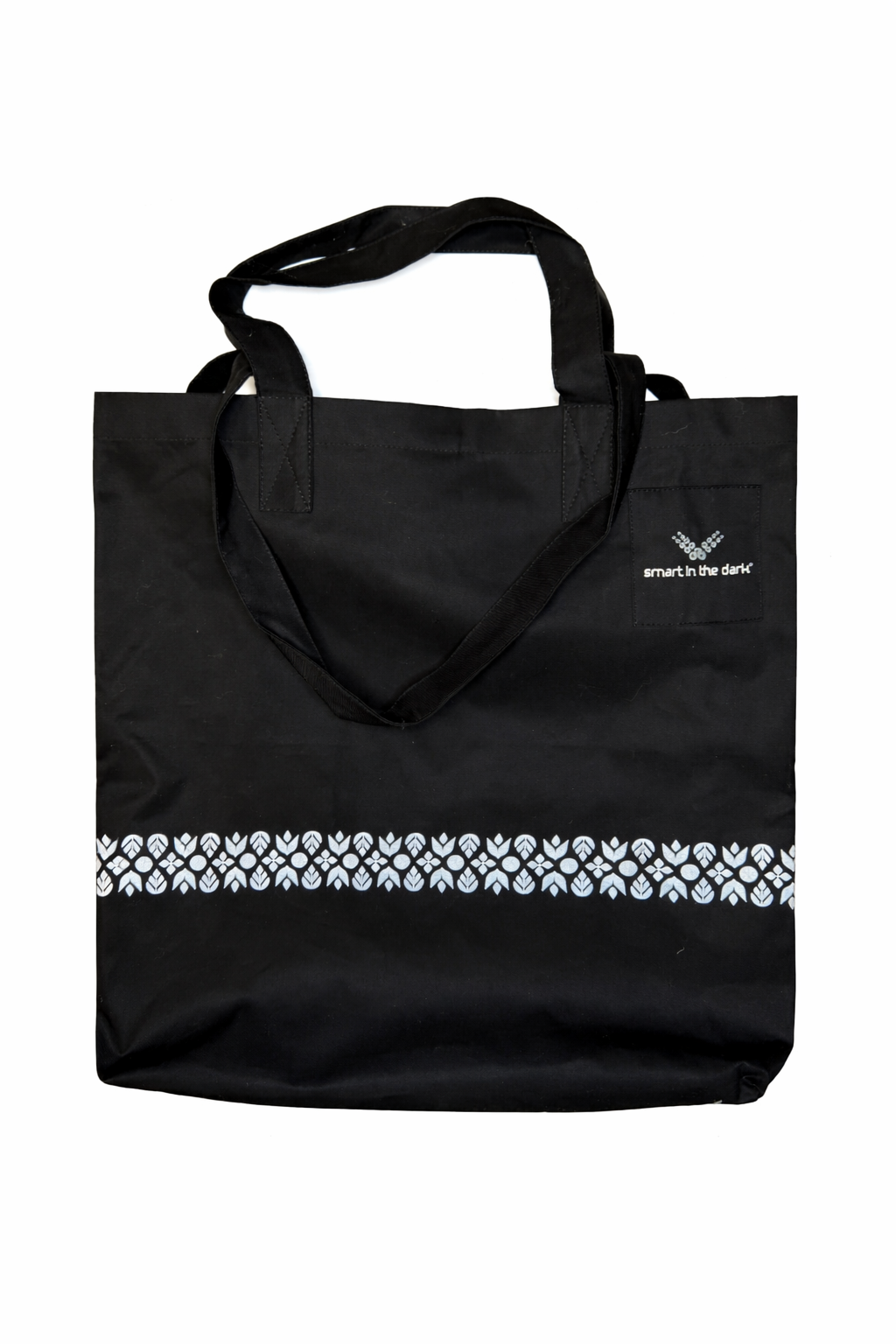
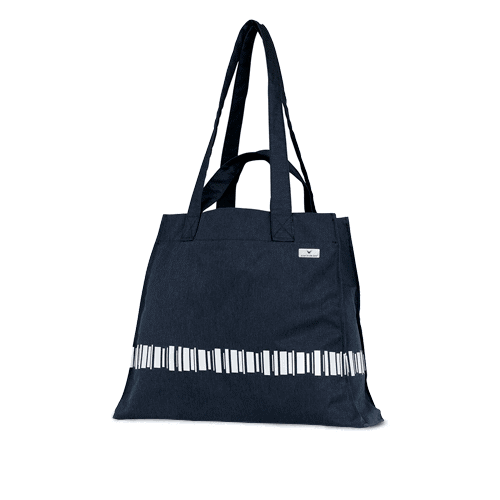
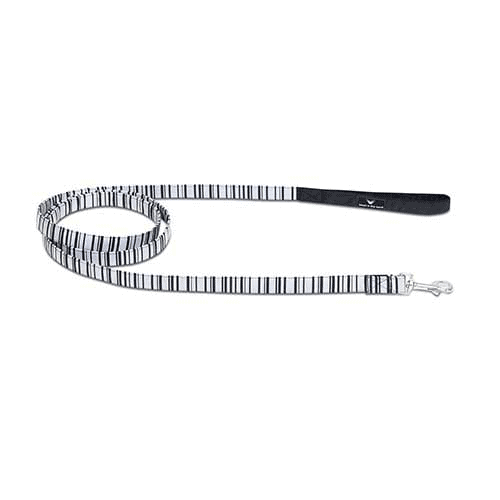
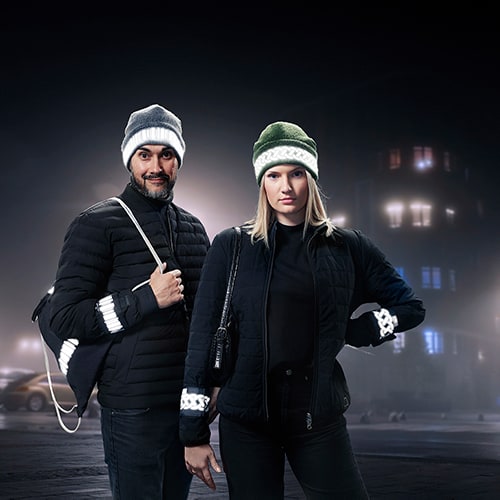
Night running safety doesn’t ask a lot of you. It doesn’t require a different route, a different pace, or a different approach to training. It asks for a reflective hat, or an arm band, or a bag charm – something that moves with you and catches the light of an approaching car.
The science is clear. The distance is measurable. And the designs have never been better. You shouldn’t have to choose between running in gear you love and running in gear that keeps you safe.
Take care of yourself out there. You matter.
References
[1] NHTSA / Injury Facts: Pedestrians and Car Crashes – 74% in dark conditions (2024 data)
[2] Smart in the Dark: reflector visibility distances (125m with reflector / 25m without)
[3] Trail Runner Magazine: The Science of Being Seen at Night – Tyrrell biomotion study (67% vs 94%)
[4] Fleet Feet: Run Safely in the Dark – driver visibility distances on low and high beam
[5] University of Skövde / Smart in the Dark: biomotion research on moving reflectors
[6] On-road measures of pedestrians’ estimates of their own nighttime conspicuity – ScienceDirect (2004)
[7] RSA Pedestrian Spotlight Report 2020–2024 – Road Safety Authority Ireland
[8] CDOT: More than 70% of pedestrian fatalities in Colorado happen in dark conditions
[9] Pedestrian Fatalities in Canada 2018–2020 – Statistics Canada
[10] Pedestrians – Australian National Road Safety Data Hub (BITRE)
[11] Why Are Pedestrian Fatalities Rising in Australia? – Australian Road Safety Foundation (2025)
[12] RSA Road Deaths 2023 – Road Safety Authority Ireland
[13] NZ Pedestrian Profile – Waka Kotahi NZTA (darkness injuries, rural road context)
[14] Road Traffic Injury Mortality 2023 – Environmental Health Intelligence NZ (ehinz.ac.nz)